


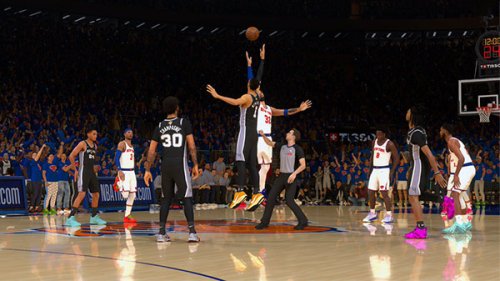
As NBA 2K players prepare to create and upgrade their MyPLAYER builds, attribute distribution and skill selection have become some of the most important decisions affecting long-term performance. The latest NBA 2K build discussions focus on helping players understand which attributes provide the most value, how different positions require different priorities, and how skill choices can shape the overall playstyle. This guide explores the key factors behind effective builds, offering players a clearer approach to customization instead of simply copying popular setups. Community build analysis continues to highlight the importance of balancing attributes, badges, and playstyle preferences when creating a competitive MyPLAYER.
The guide is designed for NBA 2K players who want to improve their experience in modes such as MyCAREER, Park, and Rec. By examining what attributes matter most, who benefits from specific skill combinations, when players should invest resources, where different builds perform best, why balanced choices often outperform one-dimensional setups, and how players can make smarter progression decisions, this breakdown provides a practical approach to building a stronger virtual athlete.
Understanding the Importance of Player Attributes
In NBA 2K, attributes define the foundation of every MyPLAYER. While it can be tempting to maximize one area such as shooting, finishing, or ball handling, experienced players often find that a successful build requires careful trade-offs. A player with elite scoring ability but weak defense or limited stamina may struggle in competitive situations where versatility matters.
The main attribute categories typically include finishing, shooting, playmaking, defense, rebounding, and physical abilities. Each category affects specific gameplay situations. For example, finishing attributes influence close-range scoring, dunking, and attacking the basket, while shooting attributes determine consistency from different areas of the court. Playmaking affects ball control, passing efficiency, and offensive creation, while defensive attributes determine how effectively a player can contest shots and guard opponents.
For new players, one of the most common mistakes is investing too heavily into highlight-focused abilities while ignoring important supporting skills. A guard who can shoot but cannot defend or pass effectively may struggle in team-based modes. Similarly, a center with strong rebounding but poor mobility may become easier for opponents to exploit.
Best Attribute Priorities by Position
Different positions require different approaches. Point guards usually benefit from strong playmaking abilities, including ball handling and passing accuracy. These attributes allow players to create scoring opportunities and control the pace of the game. However, modern builds often need enough shooting and defense to remain effective against faster opponents.
Shooting guards and small forwards typically require more balance. These positions often handle multiple responsibilities, including perimeter scoring, defensive matchups, and transition play. A balanced wing build can provide value in almost every situation, especially in multiplayer modes where role flexibility is important.
Power forwards and centers should focus on interior presence, rebounding, and defensive reliability. However, completely ignoring outside skills can limit offensive options. Many successful big-player builds now include enough shooting or passing ability to create additional space for teammates.
Experienced NBA 2K players often recommend designing a build around the role you actually enjoy playing rather than chasing every popular community setup. A build that matches personal gameplay habits usually performs better because players understand how to maximize its strengths.
Choosing Skills and Badges Strategically
Attributes alone do not determine performance. Skill selections and badge combinations can significantly influence how a player performs in specific situations. Badges are designed to enhance certain abilities, allowing specialized builds to become more effective in their preferred roles.
For example, a playmaking-focused guard may prioritize skills that improve passing and dribbling efficiency, while a defensive specialist may focus on abilities that improve contests, steals, and defensive positioning. A scoring-focused player may choose finishing or shooting enhancements that complement their preferred attacking style.
The most effective approach is to build around synergy. A player should avoid selecting individual upgrades simply because they appear powerful. Instead, each choice should support the overall identity of the build. A balanced combination of attributes, animations, and skills often creates a more reliable player than a build designed around only one strength.
Players looking for additional progression resources may also explore community discussions and guides from platforms such as EZBUFF, where players frequently share strategies for improving their NBA 2K experience. For those managing their in-game progression, some players also consider options such as buy cheap NBA 2K27 MT to support faster customization, while still focusing on smart attribute planning and gameplay improvement.
Impact on the NBA 2K Player Experience
Build customization has become one of the defining features of modern NBA 2K gameplay. The ability to create unique players gives the community more freedom, but it also creates pressure to make efficient decisions. Poor attribute choices can lead to frustration because rebuilding a character requires significant time and resources.
For competitive players, understanding build construction can directly affect success in online modes. A well-designed build improves team chemistry, creates more consistent gameplay situations, and allows players to contribute in different roles. For casual players, thoughtful customization helps create a more enjoyable connection with their MyPLAYER because the character feels designed around their personal style.
The continued focus on build strategy also reflects a larger trend in sports games: players increasingly want deeper customization systems that reward knowledge and experimentation. As NBA 2K continues evolving, future build systems will likely place even more emphasis on meaningful choices, player identity, and strategic progression.
For the community, the most important lesson remains simple: the strongest build is not always the one with the highest numbers. The best NBA 2K build is the one that fits the player’s skills, preferred role, and approach to the game.
