


Choosing a character build in Chrono Odyssey is about more than selecting a weapon with high damage. Players also need to consider positioning, defensive options, attack timing, and how their abilities work together.
The game's action-oriented combat rewards players who understand the strengths and limitations of their chosen fighting style. Whether you prefer aggressive melee combat, ranged attacks, or spell-based abilities, developing a consistent strategy is more useful than copying another player's build without understanding it.
Because the game's systems may change during development, this guide focuses on general combat principles rather than unverified skill numbers or finalized class rankings.
1. Choose a Combat Style Before Optimizing Your Build
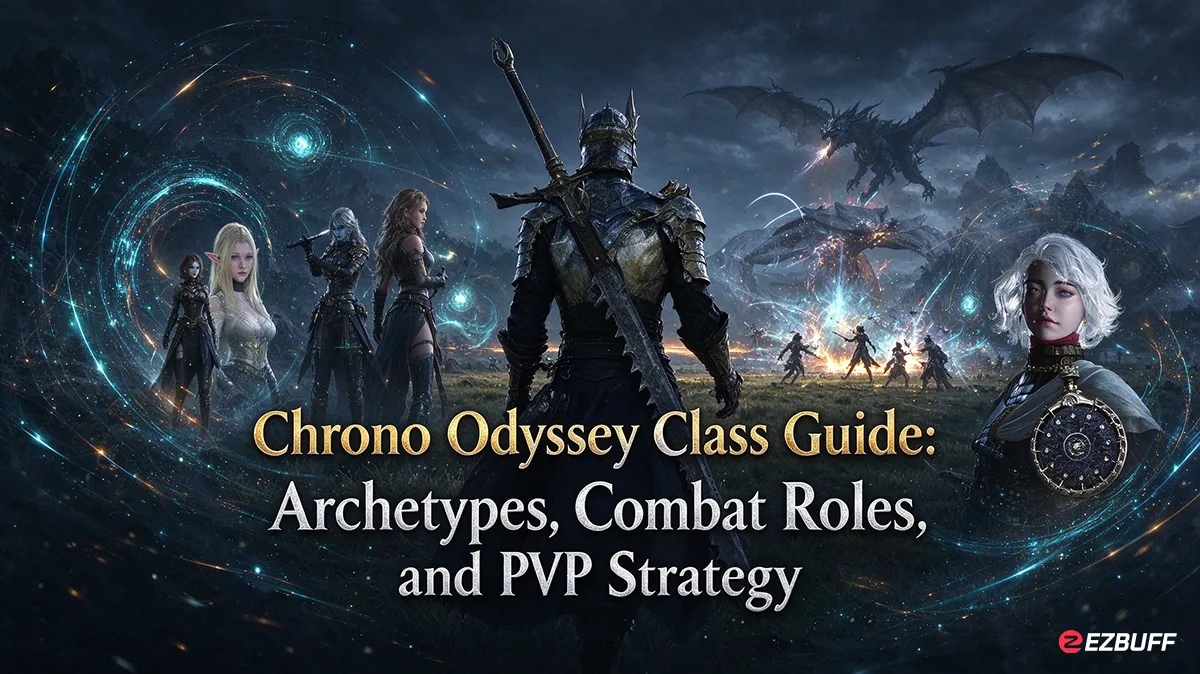
Chrono Odyssey has showcased several class concepts, including Swordsman, Ranger, Sorcerer, Berserker, Paladin, and Assassin. Their final availability, abilities, and balance should be checked against the latest official information.
Each combat style suggests a different set of priorities.
Swordsman: Positioning and Reliable Defense
A sword-focused fighter is a natural choice for players who enjoy close-range combat. The key is learning when to attack and when to defend.
Instead of continuously attacking, observe the opponent's movement and identify openings. Reliable positioning and good defensive timing can prevent unnecessary damage and create opportunities for counterattacks.
Ranger: Distance and Movement
Ranged combat relies on managing space. Attacking from a distance can be useful, but it becomes less effective when an enemy closes the gap and limits your movement.
Practice repositioning while maintaining opportunities to attack. Always pay attention to escape routes and nearby threats rather than focusing exclusively on damage.
Sorcerer: Ability Timing and Skill Combinations
Spell-oriented combat generally requires players to understand ability effects, activation requirements, and opportunities to attack safely.
Avoid using every available ability immediately. Learn which combinations are effective against different enemy types, and leave room to respond when a fight changes unexpectedly.
Berserker: Aggression Without Losing Control
An aggressive melee approach can be appealing to players who enjoy applying constant pressure. However, aggressive play becomes risky when it leaves no room to avoid incoming attacks.
Build your strategy around controlled aggression. Identify safe attack windows, understand your defensive options, and avoid extending an attack sequence when the enemy is preparing a counterattack.
Paladin: Team Awareness and Survivability
Players who prefer coordinated encounters may enjoy a defensive or support-oriented approach, depending on the final ability design.
In group content, consider how your actions affect the entire team. Surviving a dangerous mechanic or creating an opportunity for teammates can be just as important as dealing damage.
Assassin: Timing and Target Selection
A fast, mobile fighting style rewards players who recognize vulnerable moments and manage their positioning carefully.
Avoid committing to an attack without considering how you will respond afterward. Effective movement and good target selection can make a larger difference than simply attempting to maximize attack frequency.
2. Understand the Relationship Between Weapons and Builds
A weapon determines only part of a character's combat identity. Skill selections, passive effects, equipment attributes, and player execution also influence performance.
Chrono Odyssey has discussed a Matrix system that allows weapon development through a node-based structure. Players should review the actual implementation in the current version before committing to a specific progression path.
When planning a build, ask three questions:
-
What is the primary purpose of this setup?
-
Which abilities work well together?
-
What weaknesses will this configuration create?
A damage-focused setup may struggle with survivability, while a defensive setup may require more time to defeat enemies. Neither approach is automatically better in every encounter.
The goal is to create a build that fits your preferred content and can handle its most common challenges.
3. Improve Your Combat Through Enemy Observation
Action combat becomes easier when you stop treating every encounter as a race to deal damage.
Watch for attack animations, changes in enemy movement, and moments when an opponent becomes vulnerable. Practice using defensive actions deliberately instead of waiting until your health is already low.
For bosses, divide the encounter into manageable stages. Learn the basic attack sequence first, then introduce more complicated skill combinations once you can survive consistently.
This method also helps in PvP. Rather than immediately spending all your abilities, observe how an opponent moves and look for predictable habits. Good timing and positioning can create opportunities even when your equipment is not substantially stronger.
4. Build a Strategy for PvP and Group Encounters
Player-versus-player combat introduces uncertainty because human opponents can change their decisions in response to your actions.
A useful starting strategy is to preserve important abilities until you understand the opponent's approach. Avoid repeating the same attack sequence when it becomes predictable, and pay attention to opportunities to disengage.
In group content, individual damage is only one part of the overall result. Teams also need to manage positioning, defensive abilities, and the timing of coordinated attacks.
Before entering a difficult encounter, agree on a basic plan. Identify who will focus on the main target, when the group should commit to major attacks, and how players will respond to dangerous mechanics.
5. Prepare Your Equipment and Resources
A good combat build depends on appropriate equipment and sensible resource allocation.
Prioritize upgrades that support your primary combat role. If you are frequently defeated, review defensive options before investing everything into damage. If enemies survive for too long, check whether your abilities and equipment support the same objective.
Players researching progression systems may encounter the keyword Buy Chrono Odyssey Gold when looking for information about currency and equipment-related expenses. However, do not assume that a specific currency purchase, trading service, or market mechanism is supported by the current game. Verify official rules and available systems before making decisions.
EZBUFF can serve as a reference point for researching gaming guides and related progression topics, but build decisions should ultimately reflect the actual mechanics of the version you play.
6. Common Class-Build Mistakes
| Mistake | Better approach |
| Copying a build without understanding it | Learn the purpose of each ability |
| Focusing only on damage | Balance damage, positioning, and survival |
| Using every ability immediately | Preserve important options for key moments |
| Ignoring enemy attack patterns | Learn defensive timing before optimizing damage |
| Changing equipment constantly | Test a configuration before judging it |
| Assuming one class is best everywhere | Match your build to the encounter |
Final Thoughts on Chrono Odyssey Combat
Strong performance in Chrono Odyssey depends on understanding how your weapon, abilities, equipment, and positioning work together.
Choose a combat style that suits your preferences, learn the fundamentals, and make changes based on actual encounter results. Whether you focus on solo exploration, group PvE, or PvP, a flexible build with a clear purpose is more useful than a collection of powerful abilities without a coherent strategy.
